Showing Care: A Simple Act with a Big Impact
- Dimuthu Perera
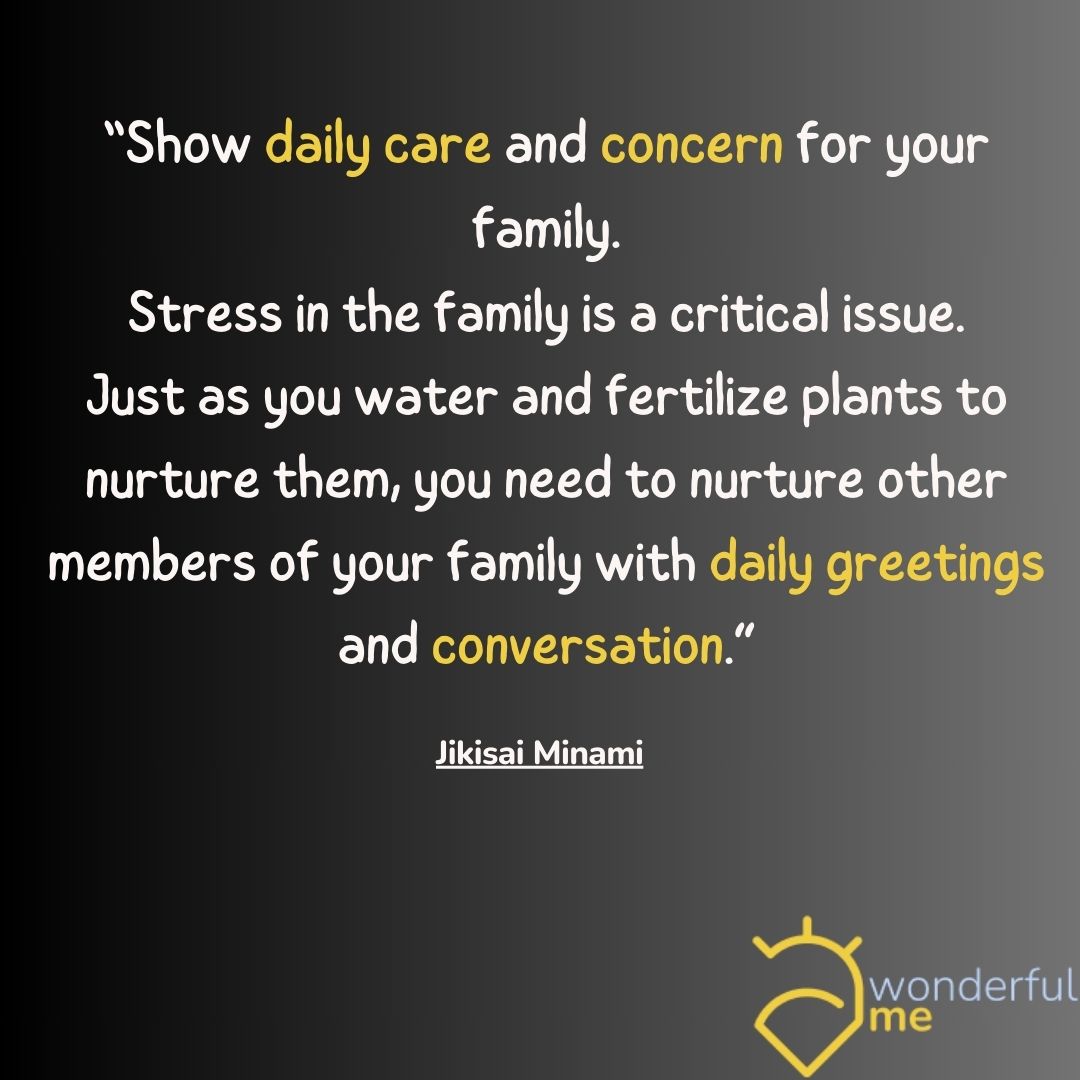
Care is one of the foundations of any healthy relationship. It’s not optional. It’s essential. If we want our friendships and family connections to grow and last, we need to both give and receive care.
But today, many relationships are missing this basic building block. Care is often assumed—and confused—with love. I often hear a child say, “My mum knows I love her,” when I ask how they show care. Or a parent say, “My child knows I worry because I care.”
Here’s the truth:
Love, worry, and assumptions are not the same as acts of care.
Many families I work with are stuck in a pattern. The child stays in their room or glued to a screen. The parent keeps complaining that nothing is changing. The child feels unseen. The parent feels unappreciated. Both are hurting, and both want connection—but neither is showing it in a way the other can feel.
Regardless of the deeper reasons behind this dynamic, we can always come back to one small but powerful question:
How am I showing care today?
Care doesn’t need to be big or dramatic. Often, it’s the simple, consistent things that matter most.
Here are a few ways to start:
Greeting each other in the morning and after periods of separation. This will include making eye contact, a warm smile, and a hello.
Giving positive feedback or sharing observations such as "you look nice today"; "looks like you're having a nice breakfast"; "you seem happy and energetic!"
Small caring gestures such as making them a tea in the morning,
Check in gently by asking, “How’s your day going?” or “Is there anything you need from me today?” with genuine curiosity.
Be present without fixing. Sometimes just sitting next to someone, without offering solutions, shows you care. A quiet presence can say, “I’m here for you.”
Remember the little things. Bring them their favourite snack. Notice when they’ve had a long day. Celebrate even the small wins.
Offer help without being asked. Pick up something they dropped. Help carry their school bag or pack their lunch.
Use caring words in passing. “Drive safe.” “Good luck with your test.” “I’m proud of you.” These phrases, when said sincerely, make a difference.
Respect their space—and their presence. Knock before entering their room. Put down your phone when they’re speaking to you. These small acts build trust.
Create small rituals of connection. Maybe it’s a morning hug, a quick chat at bedtime, or a shared joke. These rituals help relationships feel steady, even in busy times.
Showing care isn’t about doing everything right—it’s about doing something consistently. It tells our children (and each other):
You matter. I notice you. I care.